ENGINEERING CAPABILITY DOMAIN

Embedded Linux Development

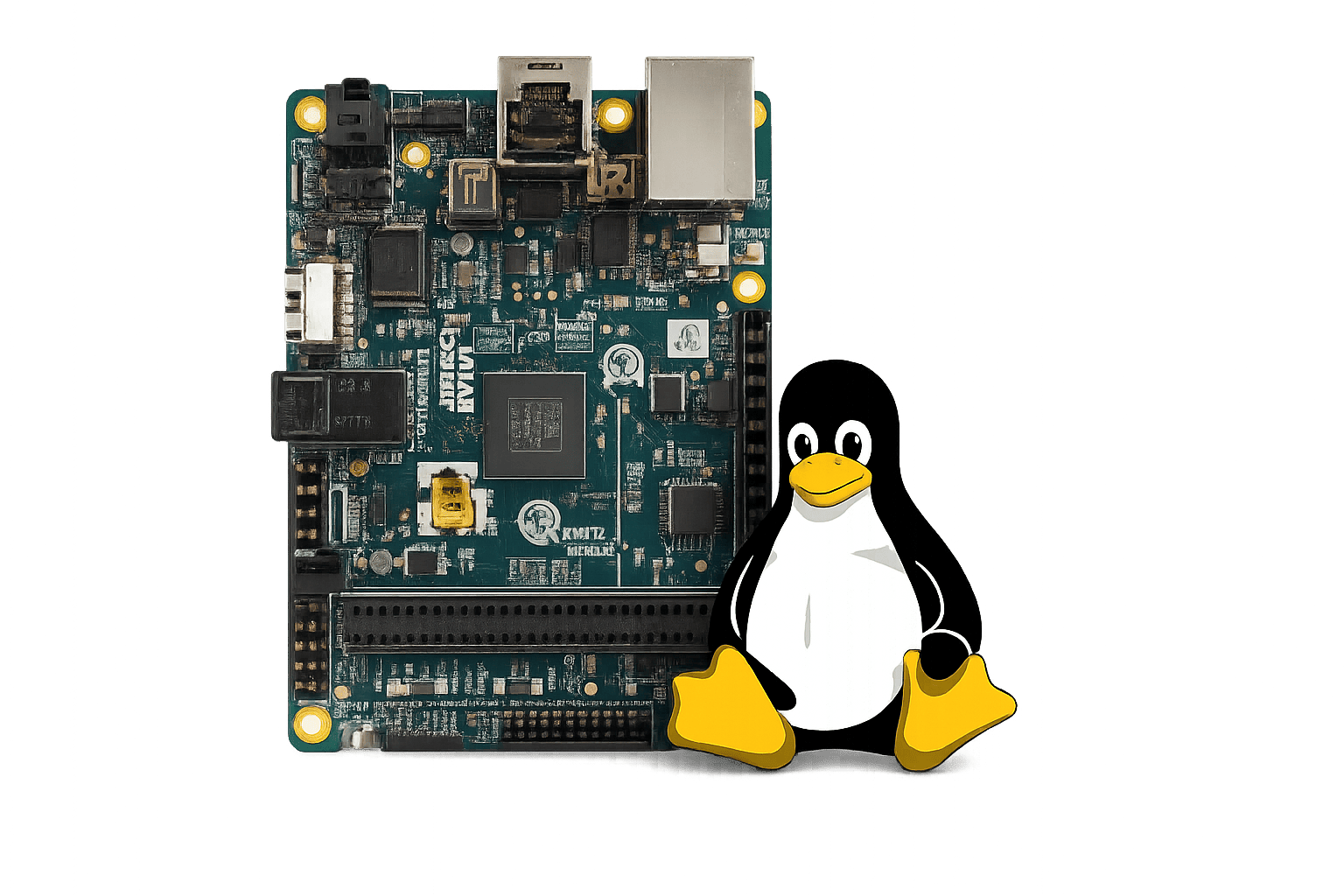
At Timmins, Embedded Linux is treated as a deep technical capability domain, covering operating system fundamentals, kernel internals, device drivers, debugging, security, and system integration.

Talk to Timmins
Embedded Linux

How Timmins Approaches This Domain

Competency-driven

Competency-driven

Focus on real skills, not just a syllabus.

Role-Aligned

Role-Aligned

Aligned to real embedded engineering roles

Kernel, Drivers, Debugging

Kernel, Drivers, Debugging

Deep dive into core technical areas
Hands-on Focused

Hands-on Focused

Emphasis on practical, hands-on learning.

All Seniority Levels

All Seniority Levels

Suitable for fresh graduates through senior engineers

Industries & Use Cases

Consumer Electronics

Automotive & Infotainment

Industrial Automation

Networking & Telecom

Medical Devices
Medical Devices
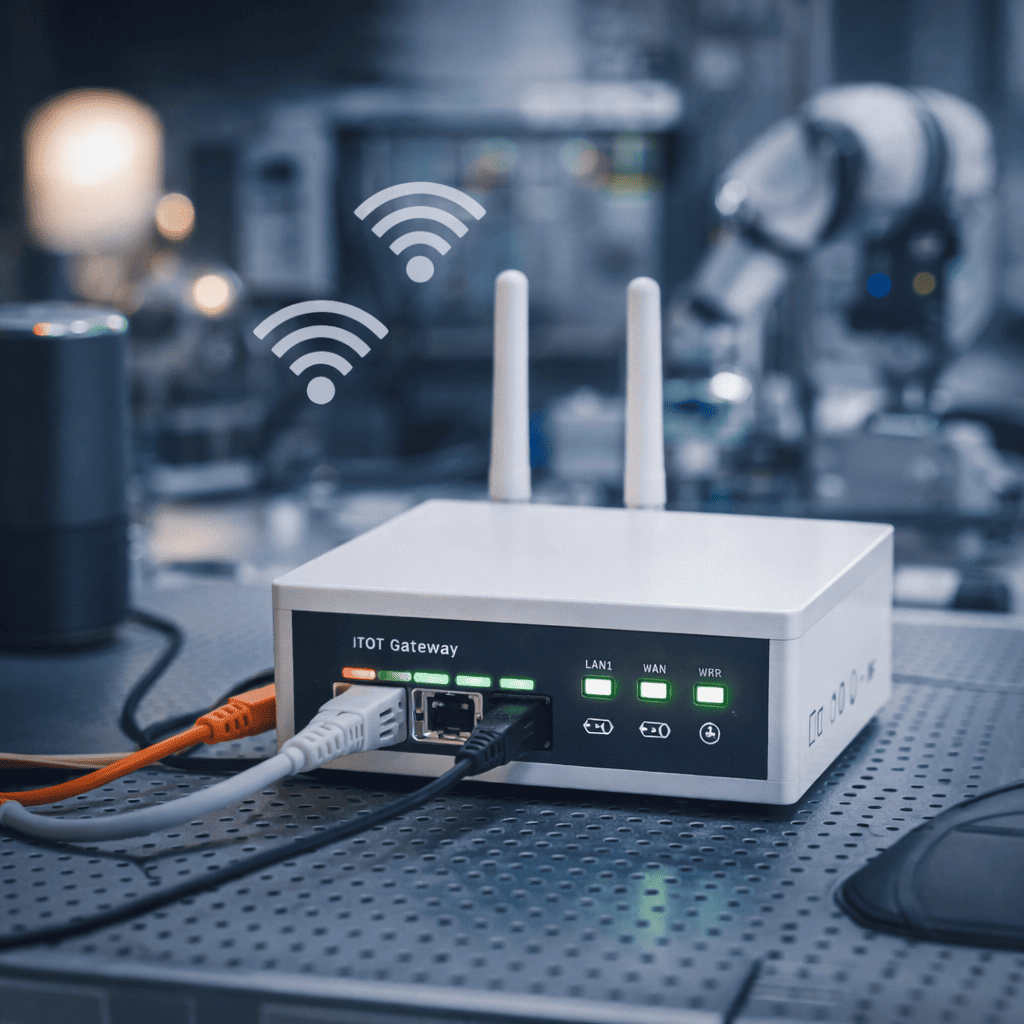
IoT & Edge Devices
IoT & Edge Devices

These systems typically operate under resource constraints, require hardware awareness, and demand high reliability.

Who This Domain Is For
Engineers

Engineers building embedded Linux-based systems

Managers

Engineering managers planning embedded skill development
Organizations

Organizations developing or maintaining embedded products

Job Families We Support

Embedded Linux Application Engineers
Linux Kernel Engineers
Linux Device Driver Engineers
Embedded Linux Platform / BSP Engineers
System Integration Engineers
Embedded Linux Security Engineers
Test, Validation & Automation Engineers
Senior & Lead Embedded Linux Engineers
Linux Application Developers
User Space engineers

Outcomes & Value Delivered

Hands-on practice using embedded hardware

Strong foundational and advanced embedded Linux skills

Faster onboarding of embedded engineers

Improved system stability and debuggability

Reduced dependency on ad-hoc troubleshooting

Clear progression from application-level to kernel-level expertise

Core Competencies

Linux & Operating System Fundamentals

Linux operating system architecture, User space and kernel space concepts, Processes, threads, scheduling, and memory, Filesystems and IPC fundamentals

Embedded C & Systems Programming
Linux User-Space Internals
Linux Kernel Internals
Device Driver Development
Peripheral & Bus Driver Development
Kernel Debugging & Diagnostics
Embedded Linux Porting & Bring-Up
Embedded Linux Security
Automation & Scripting

Competency → Job Family Alignment

Embedded Linux Application Engineer
Linux fundamentalsPOSIX APIsIPCEmbedded C
Linux Kernel Engineer
Kernel internalsSchedulingMemory management
Device Driver Engineer
Driver architectureI2C, SPI, UARTInterrupts
Platform / BSP Engineer
Kernel configurationPorting conceptsBring-up
Integration Engineer
Cross-layer debuggingStabilityPerformance
Security Engineer
Embedded Linux securitySELinux
Test / Validation Engineer
DebuggingAutomationSystem analysis
Senior / Lead Engineer
Kernel debuggingArchitecture understanding

Learning Paths & Career Progression

Entry Level

Linux fundamentals, Embedded C, user-space programming

Mid-Level Engineers
Senior Engineers
Technical Leads

Learning paths can be aligned to individual career growth or team onboarding programs.

Training Formats & Engagement Models

Public instructor-led programs

Public instructor-led programs

In-house corporate training
Role-based onboarding programs
Modular learning paths
Customized programs for product teams

Courses as Building Blocks

Embedded Systems Development: C, C++, Linux, and Device Driver Programming

Embedded Linux Security

Operating System Essentials

Linux Driver Development

Embedded C Programming and GDB Debugging

Embedded Linux Kernel Programming

Embedded Linux Porting Hacks

Embedded Linux System Internals

Linux Audio Drivers

Linux Inter-Integrated Circuit (I2C) Drivers

Linux Kernel Debugging

Linux SPI & UART Drivers

Linux System Programming

Linux User Space Internals

SELinux

Frequently Asked Questions

1. Is this training hands-on, and will participants work with real hardware?
Yes. The training is highly hands-on. Participants work directly on real embedded platforms such as BeagleBoard.org BeagleBone Black and Raspberry Pi Foundation Raspberry Pi, performing board bring-up, kernel builds, driver development (GPIO/I2C/SPI/UART), root filesystem setup, and live debugging. Every concept is reinforced through practical labs to ensure real-world, job-ready skills.
2. What does Timmins cover in the Embedded Linux domain?
This domain covers building Linux-based software platforms for embedded systems, including operating system fundamentals, user space, kernel internals, device drivers, debugging, security, and system integration.
3. How is Embedded Linux different from general Linux or application development?
Embedded Linux involves close interaction between software and hardware. It requires understanding resource constraints, kernel behavior, device drivers, board bring-up, and system-level debugging, not just application logic.
4. Does this domain include kernel and device driver development?
Yes. Kernel internals and device driver development are core components of the domain, including character drivers, peripheral drivers (I2C, SPI, UART), interrupt handling, and kernel–user space interaction.
5. How deep does the training go into debugging and system analysis?
Debugging is a major focus. The domain covers user-space debugging, kernel debugging, root cause analysis of crashes and hangs, performance diagnostics, and cross-layer troubleshooting.
6. Is Embedded Linux security covered in this domain?
Yes. The domain includes embedded Linux security fundamentals, secure system design awareness, and SELinux concepts relevant to embedded and long-lived systems.
7. How does Timmins Training Consulting approach Embedded Linux training?
Timmins treats Embedded Linux as a deep technical capability domain. Training is competency-driven, aligned to real embedded engineering roles, and emphasizes hands-on understanding of kernels, drivers, and debugging.
8. Who is this Embedded Linux domain suitable for?
The domain is suitable for fresh graduates, junior engineers, experienced embedded developers, senior engineers, and technical leads working on Linux-based embedded systems.
9. Can organizations customize learning paths for different embedded roles?
Yes. Learning paths can be customized for application engineers, kernel or driver engineers, BSP and platform teams, integration engineers, or full product teams.
10. What training formats are available for Embedded Linux?
Timmins delivers Embedded Linux training through public instructor-led programs, in-house corporate training, role-based onboarding, modular learning paths, and customized programs for product teams.