DRAM application areas and hierarchical memory subsystems.
Topic listed in the outline; practical exercise details need confirmation.
Confirm practical arrangements Training & Capability DevelopmentLearn. Practise. Apply.⌕
Draft programme preview. The course content is under review. Dates, fees, venue, seats, trainer assignment and any HRD Corp eligibility must be confirmed separately.
Study LPDDR5 architecture, timing, low-power features, memory controllers and performance/power analysis. Source-backed 18-hour draft outline.
Review the programme scope and starting knowledge, then discuss suitable delivery options with Timmins.
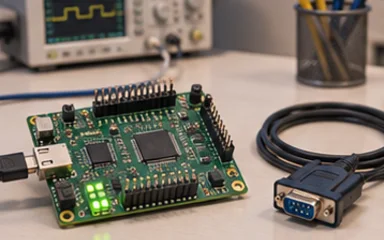
Topic listed in the outline; practical exercise details need confirmation.
Confirm practical arrangementsTopic listed in the outline; practical exercise details need confirmation.
Confirm practical arrangementsTopic listed in the outline; practical exercise details need confirmation.
Confirm practical arrangementsThe source does not specify practical exercises or take-home outputs. These arrangements need confirmation.
The source outline is retained below. Confirm delivery arrangements and the final approved scope before booking.
Need a public-facing course outline? Request it from Timmins.
Basic knowledge of DRAM memory organization.
Software, equipment and lab requirements are not specified in the supplied short outline. Confirm the required tools, access, versions and preparation with Timmins.
Ask which preparation materials, follow-up resources or trainer support are included in your selected delivery.
Confirm the certificate, completion requirements and any assessed activities for your selected batch. A practical project does not by itself establish an assessed skills award.
Understand certificates and assessments →Confirm dates, venue, fees, available seats and delivery arrangements with Timmins before booking.
Ask Timmins about upcoming dates for this course.
View the public training calendar →Ask about another date or team delivery. Share your preferred timeframe, city or delivery mode and participant numbers. Timmins will discuss the options; dates, trainer availability, delivery and fees must be confirmed separately. Sending an enquiry does not reserve a place or confirm a class.
Your selected course is included in the draft. Review it and press Send in your messaging app.
Engineers and technical leaders Basic knowledge of DRAM memory organization.
Basic knowledge of DRAM memory organization. Confirm the software, licences, accounts, equipment and any installation permissions before training.
No public class dates or places are confirmed on this draft programme page. Ask Timmins about delivery options, fees and availability. An enquiry does not reserve a seat.
Share a non-confidential description of your challenge. Timmins will review whether relevant examples fit the approved scope and duration. Inclusion is subject to feasibility and trainer review and is not guaranteed.
These arrangements have not been confirmed on this draft page. Ask Timmins about the certificate, completion conditions, any assessed activities and follow-up for your selected delivery.