Embedded C and C++ foundations
Work with pointers, data structures and bitwise operations used in embedded programs.
See the detailed course outline Training & Capability DevelopmentLearn. Practise. Apply.⌕
Use pointers, data structures and bitwise operations.
Work through embedded programming and Linux development in one course. Apply C and C++ concepts to system programming and introductory driver work.
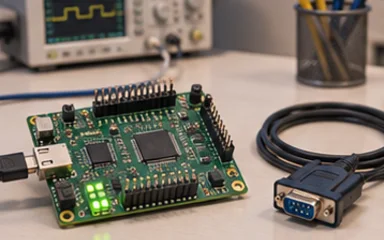
Work with pointers, data structures and bitwise operations used in embedded programs.
See the detailed course outlinePractise using operating system interfaces, threads and inter-process communication in Linux.
See the detailed course outlineExplore kernel modules and basic drivers, and use debugging and testing tools in a hands-on project.
See the detailed course outlineReview C pointers, data structures and function pointers before examining C++ object orientation, exceptions and templates. Introduce Linux filesystem APIs, multithreading and interprocess communication alongside debugging and shell concepts. The final block surveys device driver types and GPIO, SPI, I2C, UART and CAN interfaces. The day establishes the language, operating system and hardware communication concepts that will be brought together in the following practical project.
Examine kernel modules, memory and synchronisation, then review debugging and inspection tools including GDB, Valgrind and Objdump. Introduce the build, configuration and testing tools named in the source before completing a mini project that combines system calls, drivers and communication protocols. Collaborative debugging and testing lead into the stated exit test, course review and questions. Assessment and completion conditions should be confirmed for the selected delivery.
Need the detailed syllabus? Request the course outline.
Check prerequisites and confirm the course fit with Timmins for your role, experience and selected delivery.
Check the course outline for the software, development environment and any target hardware. Confirm installation steps, versions, equipment access and lab arrangements before joining.
Ask which preparation materials, follow-up resources or trainer support are included in your selected delivery.
Confirm the certificate, completion requirements and any assessed activities for your selected batch. A practical project does not by itself establish an assessed skills award.
Understand certificates and assessments →Confirm dates, venue, fees, available seats and delivery arrangements with Timmins before booking.
Ask Timmins about upcoming dates for this course.
View the public training calendar →Ask about another date or team delivery. Share your preferred timeframe, city or delivery mode and participant numbers. Timmins will discuss the options; dates, trainer availability, delivery and fees must be confirmed separately. Sending an enquiry does not reserve a place or confirm a class.
Your selected course is included in the draft. Review it and press Send in your messaging app.
Developers who need hands-on exposure to embedded C, C++ and Linux development.
Basic knowledge of programming concepts. Familiarity with operating systems. Interest in embedded systems and Linux environments.
Check the outline and confirm the software environment, hardware, equipment access and setup requirements for your selected delivery. Do not assume all courses use the same board or lab environment.
The course topics describe the technical scope. Ask Timmins to confirm the labs, demonstrations and any assessed activities for your selected programme. Completion and assessed credentials have different requirements.
Discuss an in-house session with Timmins. Share the team’s roles, systems and intended outcomes so the scope, prerequisites, delivery and any adaptations can be agreed.