Anypoint Platform and API-led development
Review the role of application networks and API-led connectivity, then explore how APIs are described, found and used in Anypoint Platform.
Explore the course learning plan Training & Capability DevelopmentLearn. Practise. Apply.⌕
Design API-led integrations using Mule 4 and Anypoint Platform.
Build API-led integrations with Mule 4 and Anypoint Platform. Work through development, data transformation, error handling and deployment.
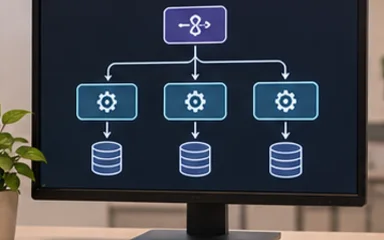
Review the role of application networks and API-led connectivity, then explore how APIs are described, found and used in Anypoint Platform.
Explore the course learning planRoute Mule events based on their content and examine how the application handles errors at different points in a flow.
Explore the course learning planExamine how threading, state and clustering affect Mule application performance.
Explore the course learning planReview the role of application networks and API-led connectivity, then explore how APIs are described, found and used in Anypoint Platform. Work with Mule project and flow concepts and examine where development tools fit. The session connects an integration requirement to the components used to build it. Follow the request or message between components, distinguishing the information exchanged, the responsibilities at each boundary and the result expected by the caller.
Follow an event through a Mule application and examine the data and properties carried with it. Work with flow and subflow organisation and use DataWeave expressions to transform data. Review how debugging supports decisions about where a transformation or routing step should take place. Follow the data from its source through the processing steps to the resulting output, checking how transformations affect the meaning of the information.
Route Mule events based on their content and examine how the application handles errors at different points in a flow. Compare local and global error handlers and review how defaults affect behaviour. Relate these decisions to the integration's response when an event cannot be processed as expected. Relate the component structure and interactions to the task a user needs to complete, tracing how input and state affect what the application displays.
Manage a Mule project with Maven and review how source control and automated builds fit into team development. Examine how a CI job can build the application and run MUnit tests. The focus is on making integration changes repeatable and obtaining useful feedback before deployment. Relate the implementation to its place in the application, following the flow of data and the dependencies between components when explaining a design choice.
Examine how threading, state and clustering affect Mule application performance. Review when caching or shared state may help and what trade-offs to consider. Discuss communication security and how those choices fit alongside performance and operational requirements when an integration is ready for deployment. Relate observations to the original symptom or performance goal, and distinguish evidence about system behaviour from assumptions about its cause.
Need the detailed syllabus? Request the course outline.
Check the course fit for your role and experience. Confirm the prerequisites, delivery scope and preparation before booking.
Check the full outline for this course’s tools and technologies. Confirm software versions, licences, accounts, equipment, access and installation requirements before joining.
Ask which preparation materials, follow-up resources or trainer support are included in your selected delivery.
Confirm the certificate, completion requirements and any assessed activities for your selected batch. A practical project does not by itself establish an assessed skills award.
Understand certificates and assessments →Confirm dates, venue, fees, available seats and delivery arrangements with Timmins before booking.
Ask Timmins about upcoming dates for this course.
View the public training calendar →Ask about another date or team delivery. Share your preferred timeframe, city or delivery mode and participant numbers. Timmins will discuss the options; dates, trainer availability, delivery and fees must be confirmed separately. Sending an enquiry does not reserve a place or confirm a class.
Your selected course is included in the draft. Review it and press Send in your messaging app.
Share your role, experience and intended workplace application with Timmins to confirm whether this course is suitable.
Knowledge on REST. API concepts. JSON/XML data format.
Check the full outline for this course’s tools and technologies. Confirm software versions, licences, accounts, equipment, access and installation requirements before joining.
The learning plan describes the course topics and activities in the published summary. Ask Timmins to confirm the exercises, trainer feedback and any assessed activities for your selected delivery. Completion and assessed credentials have different requirements.
AI-assisted activities are not listed in this course summary. Ask Timmins to confirm the scope of your selected delivery rather than assuming AI tools are included.
Discuss an in-house programme with Timmins. Share the team’s roles, starting knowledge and workplace challenges. Agree any adaptations, assessment and follow-up support in the proposal.